Skip to content
A Humble parent files for divorce, receives a case number, and then realizes that everyday decisions suddenly carry legal consequences. Can the children's school or daycare change? Can one spouse take the shared SUV to work in Kingwood? What happens to the family dog in Atascocita? These questions are exactly why understanding the Harris County standing order for children, pets, and property matters from the first day of a case.
A standing order is not a punishment and it doesn't decide who will ultimately receive custody, the house, a vehicle, or a pet. It creates temporary rules intended to preserve stability while the court addresses temporary orders, settlement, or trial. The rules can affect divorce cases, SAPCR cases, modifications, and enforcement matters, so local families should read the order carefully before moving children, selling property, changing accounts, or escalating conflict.
What the Harris County Standing Order Means for Your Family
Suppose a parent in Humble files a divorce or custody case and leaves the courthouse wondering what just changed. The most important point is simple: filing a family-law case can activate automatic court rules immediately. Texas family-law guidance describes standing orders as automatic rules that take effect when the petition is filed and remain in place until the court changes or eliminates them. They commonly address children, party conduct, and property, including homes, vehicles, business records, insurance, and other real or personal property. TexasLawHelp explains how standing orders operate.
That means the order doesn't wait for a later hearing before placing basic limits on conduct. A Harris County family may need to preserve a child's routine, avoid interference with the other parent, protect household property, and prevent assets from being hidden or transferred. The order binds the people involved in the suit, not just the person who filed it.
What the order protects first
For a Humble, Atascocita, Kingwood, or Northeast Houston family, the practical categories usually look like this:
- Children: Don't hide a child, disrupt the child's peace, change important arrangements, or interfere with lawful possession.
- Conduct: Avoid threats, harassment, intimidation, or actions that make the family dispute more dangerous.
- Property: Don't sell, conceal, transfer, encumber, or waste property that may be part of the case.
- Pets: Because Texas treats pets as property, restrictions preserving property can also affect companion animals. Texas guidance discusses the property status of pets.
The order is temporary, but temporary doesn't mean optional. A parent who believes a restriction is impractical should seek a court-approved exception rather than ignore it. A Kingwood parent planning a move, or an Atascocita spouse needing to sell a vehicle for a legitimate reason, may have lawful options, but those options should be documented and addressed through the court.
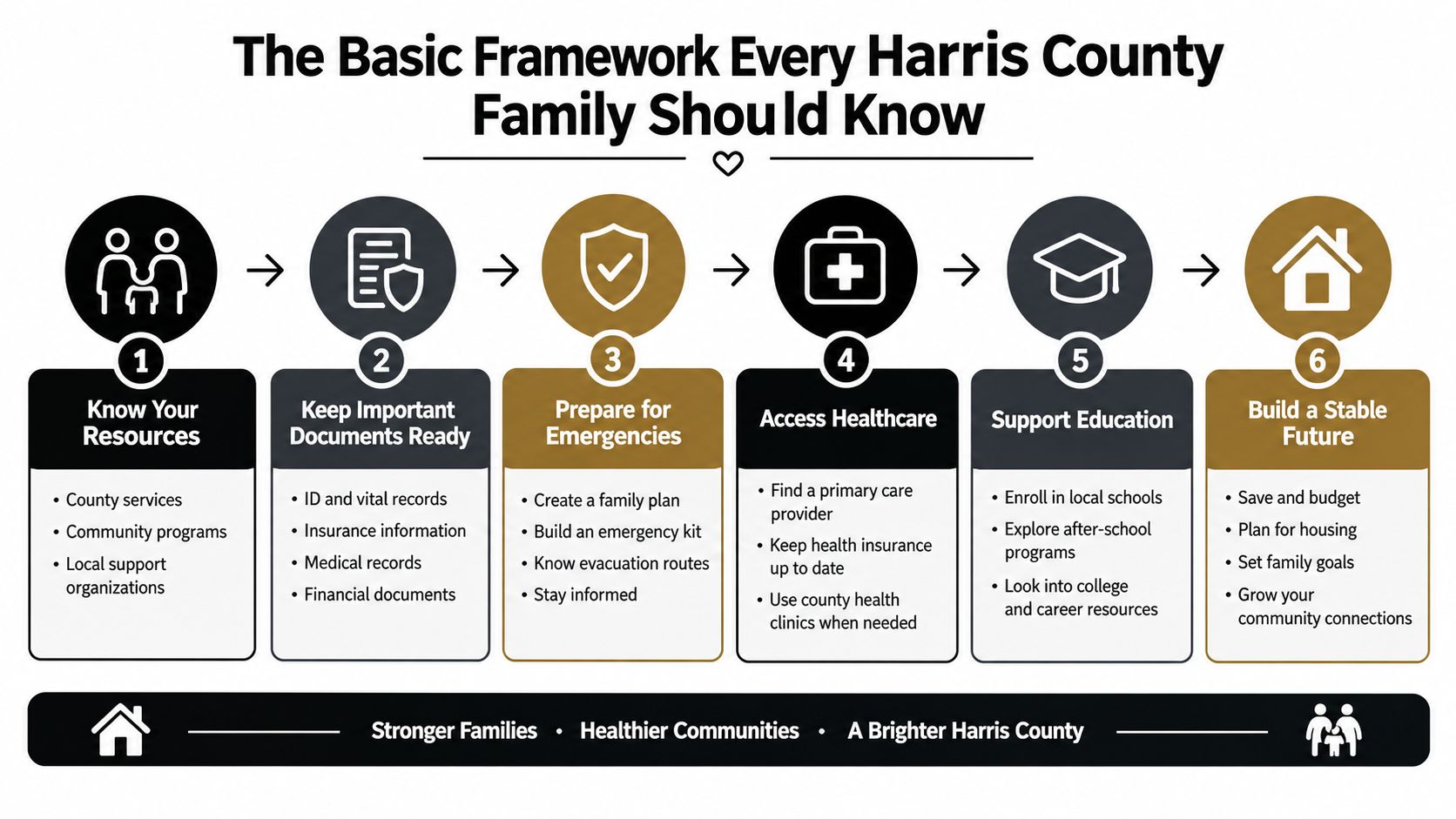
The Basic Framework Every Harris County Family Should Know
In plain English, a standing order is a set of default instructions that both sides must follow while a family case is pending. It aims to preserve the status quo, meaning the children, pets, accounts, vehicles, home, and other property should remain protected while the judge decides what temporary or final arrangements are appropriate.
The order generally becomes effective when the petition is filed. It can apply to an original divorce, a suit affecting the parent-child relationship, and later proceedings such as modification or enforcement when the applicable court order provides for it. The precise language and filing procedures matter, so a person should obtain the version attached to the case rather than relying on a form found online.
Filing creates responsibilities
Service and notice are important procedural issues, but a party shouldn't assume that failing to read the order makes it disappear. Petitioners should review the order with their attorney as soon as the clerk accepts the filing. Respondents should read the copy received with citation and identify restrictions that affect school, daycare, travel, property, communication, and finances.
Harris County families can also consult Harris County Family Courts: A Humble Resident's Guide for background on how family-law cases proceed in the courts serving Humble. For questions about the local court process, filing location, and case-specific documents, Harris County family court information for Humble residents can provide a starting point.
A historical example shows why these rules deserve attention. A Harris County standing order issued during the COVID-19 period applied to every divorce and SAPCR filed in the county between March 19, 2020, and June 1, 2020, unless extended. It immediately restrained conduct involving children and property, demonstrating how a standing order can function as a countywide injunction when it is in effect. The historical Harris County order is available as a court PDF.
Three Pillars of the Order for Children, Conduct, and Property
The easiest way to understand the order is to separate its protections into three pillars. Each one addresses a different type of risk, but a single incident can involve more than one pillar. Taking a child without agreement may raise a children issue, while selling the family vehicle during the same dispute may create a property issue.
| Pillar | What It Covers | Common Trigger in a Humble Case |
|---|---|---|
| Children | Location, school, daycare, peace, and possession | A parent considers moving a child or changing school arrangements |
| Conduct | Threats, harassment, intimidation, safety, and prohibited behavior | Hostile messages or confrontations at a residence or exchange |
| Property | Homes, vehicles, accounts, insurance, records, and personal belongings | One spouse tries to sell, hide, transfer, or drain shared assets |
Children and routine
Children-related restrictions generally seek to prevent a parent from removing a child from Texas or the court's jurisdiction, changing the child's residence without proper agreement or court approval, changing school or daycare arrangements, or interfering with the other parent's court-ordered possession. These rules protect continuity while the court determines a longer-term parenting plan.
For example, a Kingwood parent may receive a job opportunity in Montgomery County and believe the move is harmless because the distance seems manageable. The legal question isn't only whether the move feels reasonable. The parent should review the standing order, existing court orders, notice requirements, and any geographic restrictions before changing the child's residence.
Conduct and safety
The conduct pillar addresses how the parties behave toward one another and family members. Depending on the applicable order, restrictions may address threats, harassment, harm, controlled substances, and firearms in prohibited circumstances. A disagreement about money doesn't authorize intimidation, repeated hostile contact, or conduct that disturbs a child's peace.
If messages become threatening or someone fears immediate harm, the standing order may not be the only legal tool. Protective-order proceedings and criminal channels operate separately, and urgent safety concerns should be addressed promptly through law enforcement, a protective-order resource, or counsel.
Property and financial stability
Property restrictions can reach more than the family home. They may address vehicles, bank accounts, business interests, investment income, insurance beneficiaries, personal belongings, and unusual debt. An Atascocita spouse who worries about a shared vacation home shouldn't respond by emptying an account or transferring title. The safer approach is to preserve records and ask the court for relief if a transaction is necessary.
How Pets and Personal Property Are Actually Treated
On a Tuesday morning in Atascocita, one parent may take the children to daycare while the other drives the shared SUV to work in Kingwood. Their dog remains at home in Humble. A Harris County standing order can affect each part of that routine, even while the family is managing school, work, and errands.
The children's pickup should follow any existing possession arrangement and avoid conduct that interferes with the other parent. The shared vehicle should not be sold, hidden, or transferred because the spouses are angry. If one parent needs it for work, both parties should preserve access, keep records of use, and avoid turning possession into retaliation.
Pets often create confusion during a divorce or custody filing. Texas law treats pets as property, rather than children who receive custody or visitation orders. The animal still matters to the family. The court addresses the dispute through property rules, agreements, possession, expenses, and the wording of applicable orders. A Northeast Houston family should also keep pet care arrangements clear, including who handles ordinary daily care.
Separate property and community property
Classification depends on how and when an asset was acquired, the source of funds, and other facts. A vehicle purchased during the marriage may raise community-property questions. An item owned before marriage or received through certain separate sources may be treated differently. The standing order generally does not decide classification. It helps preserve the item until classification and division are addressed.
A practical inventory can reduce later arguments. Photograph furniture, electronics, tools, jewelry, vehicles, pet records, and important documents. Save account statements and insurance information. Record veterinary history, medications, microchip information, and the pet's usual caregiver. Families in Kingwood or Atascocita should also note where shared property is stored and who has access.
Practical rule: Do not use a pet, vehicle, bank account, or household item to pressure the other party. Preserve it, document it, and seek a written agreement or court order before making a major change.
Pet safety can raise liability questions separate from the divorce. If an animal has bitten another pet or person, a resource explaining what if my pet bites someone may help identify issues to discuss with the appropriate legal or animal-care professional. Handle that concern alongside, rather than confuse it with, the family court's property rules.
What Counts as a Violation and How Harris County Enforces It
A violation usually involves conduct that conflicts with a specific restriction in the applicable standing order. Examples may include selling community assets, changing locks to exclude the other spouse, cancelling insurance, hiding money from a joint account, taking children out of the state, or harassing the other party in a prohibited way.
The first response should be evidence preservation, not retaliation. Save messages in their original form, download account records, photograph changed locks or property conditions, and write down dates, locations, witnesses, and what happened. Don't delete your own angry messages, because incomplete evidence can damage credibility.
The enforcement pathway
A party who believes the order was violated may ask the family court to enforce it. The process commonly involves:
- Reviewing the order: Identify the exact paragraph that allegedly applies and confirm the order was in effect.
- Gathering proof: Collect texts, emails, bank records, photos, school information, insurance notices, and witness details.
- Filing a motion to enforce: The motion explains the alleged violation and the relief requested.
- Attending a hearing: The Harris County family court judge may hear evidence and allow both sides to respond.
- Addressing remedies: Depending on the facts and legal requirements, the court may consider contempt, sanctions, attorney fees, restoration of property, or financial compensation intended to make the injured party whole.
A person shouldn't assume every disagreement is contempt. Courts focus on the wording of the order, the party's conduct, notice, proof, and whether the violation meets the legal standard. That makes accurate documentation and legal review important.
Family violence allegations require special care. A standing-order dispute doesn't replace a protective-order application or a criminal investigation. If someone is threatened, harmed, stalked, or placed in immediate danger, contact emergency services and seek advice about protective relief. For custody-order enforcement issues that overlap with a standing-order dispute, review violation of a custody order in Texas and potential penalties.
Even when a judge doesn't impose the harshest remedy, poor compliance can affect credibility in later hearings. A spouse who repeatedly ignores basic restrictions may make it harder for the court to trust that person with financial or parenting responsibilities.
How to Request Exceptions or Modifications in Harris County
A standing order isn't designed to prevent every necessary transaction. Families may need to change insurance, complete an urgent business transaction, arrange safe pet care, move a child during an emergency, or address property that will deteriorate without action. The key distinction is between getting permission and acting first and explaining later.
A Northeast Houston resident seeking relief should start by identifying the exact restriction and the practical reason an exception is needed. Gather the contract, insurance notice, account statement, medical or school information, photographs, veterinary records, or other documents supporting the request.
A practical filing roadmap
- Define the relief: State precisely what you want to do, such as sell a vehicle, change a beneficiary, travel with a child, or establish an agreed pet-care schedule.
- Prepare sworn facts: A sworn motion should explain the circumstances, urgency, financial effect, and proposed safeguards.
- Draft a proposed order: The judge needs clear language describing what will be permitted and under what conditions.
- Address conference requirements: Many contested matters require a certificate of conference, so determine whether you must confer with the other side before filing.
- Plan for notice: Non-emergency motions may require advance notice, while expedited relief can follow a shorter schedule when delay creates serious harm.
- Use emergency procedures when appropriate: A Temporary Restraining Order or Temporary Injunction may be appropriate when ordinary notice and waiting would not adequately protect a child, person, or property.
Because local forms and filing practices can change, confirm the current requirements with the clerk, the court's procedures, or a lawyer. A person who needs to submit translated records can also consult this legal document translation guide and should preserve the original document with the translation.
For a plain-language discussion of emergency relief, review what a temporary restraining order means in Texas. Don't sign a proposed agreement or file an emergency motion without checking whether it matches the standing order and the facts of the case.
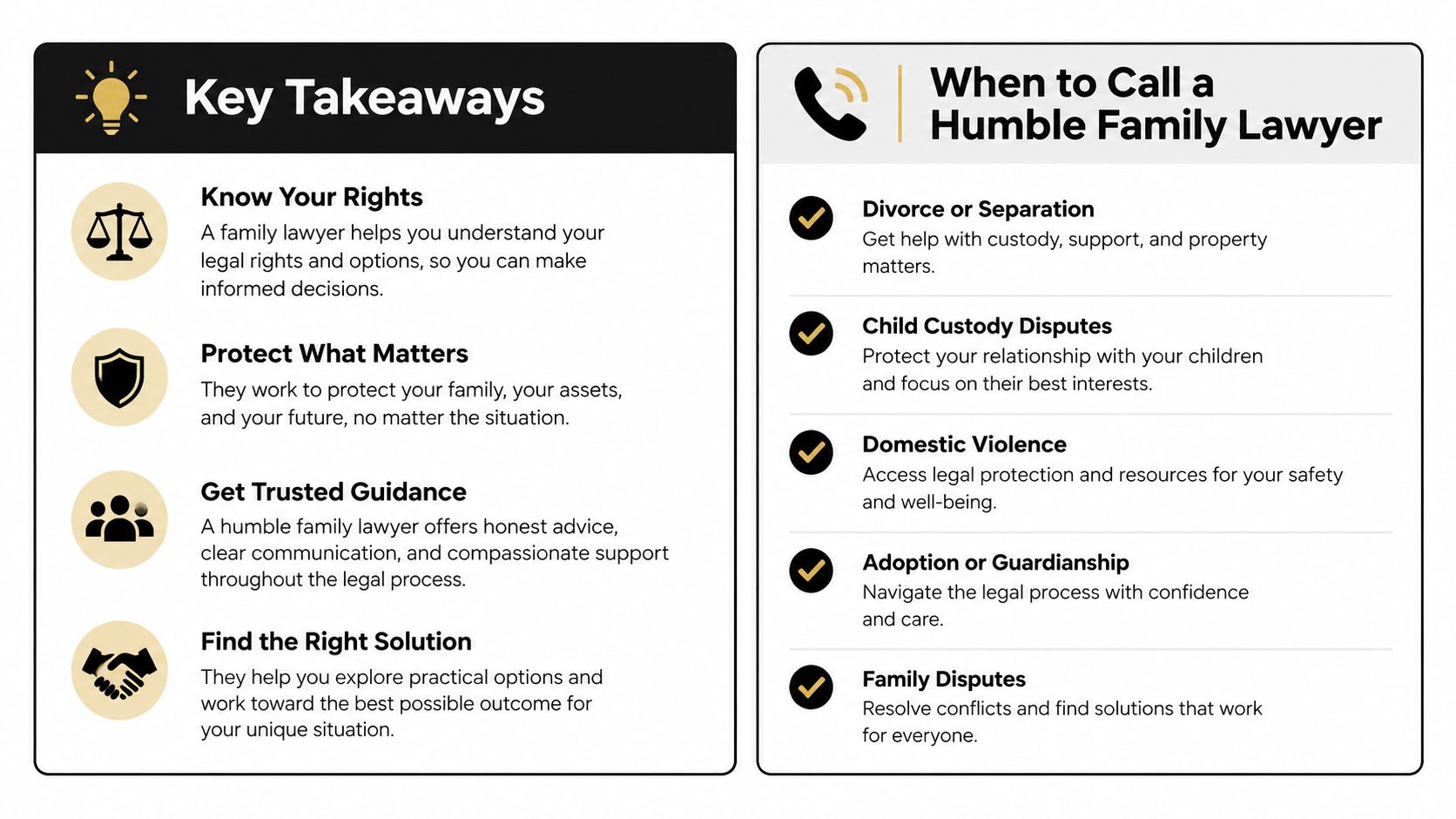
Key Takeaways and When to Call a Humble Family Lawyer
The central idea behind the Harris County standing order is stability. Children should remain safe and connected to their established routines, both parties should communicate and behave lawfully, and property should remain available for fair evaluation and division.
For families in Humble, Atascocita, Kingwood, and Northeast Houston, that translates into practical habits:
- Keep exchanges predictable: Follow written possession terms and avoid surprise school, daycare, or residence changes.
- Lower the temperature: Don't send threatening or harassing texts, show up to confront the other party, or involve children in adult conflict.
- Track property carefully: Document changes involving vehicles, accounts, insurance, the home, business records, and personal belongings.
- Protect pets without assuming custody rights: Preserve care records and seek a written agreement or court-approved arrangement.
- Ask before acting: If a transaction or move seems necessary, request an exception instead of risking an order violation.
The order is automatic, temporary, and enforceable. A small decision made during the first days of a case can become evidence about credibility, financial responsibility, or parental judgment later. A lawyer can help determine whether the issue calls for negotiation, a motion to enforce, temporary orders, a protective order, or a different legal response.
Consider speaking with local counsel when a spouse has already sold or hidden property, a child's residence or school is at issue, a pet or business asset is disputed, a temporary order is needed, or CPS, family violence, or another protective concern has surfaced. The Law Office of Bryan Fagan can help Humble-area families understand the order, organize documents, evaluate emergency options, and prepare for the next court step.
The Law Office of Bryan Fagan helps Humble, Atascocita, Kingwood, and Northeast Houston residents with divorce, custody, property disputes, enforcement, protective concerns, and related family-law matters. Schedule a free consultation by visiting Law Office of Bryan Fagan to discuss what the standing order means for your children, pets, property, and next legal decision.